
Cyber Scams Outside Your Inbox: Recognizing and Preventing Crypto Theft
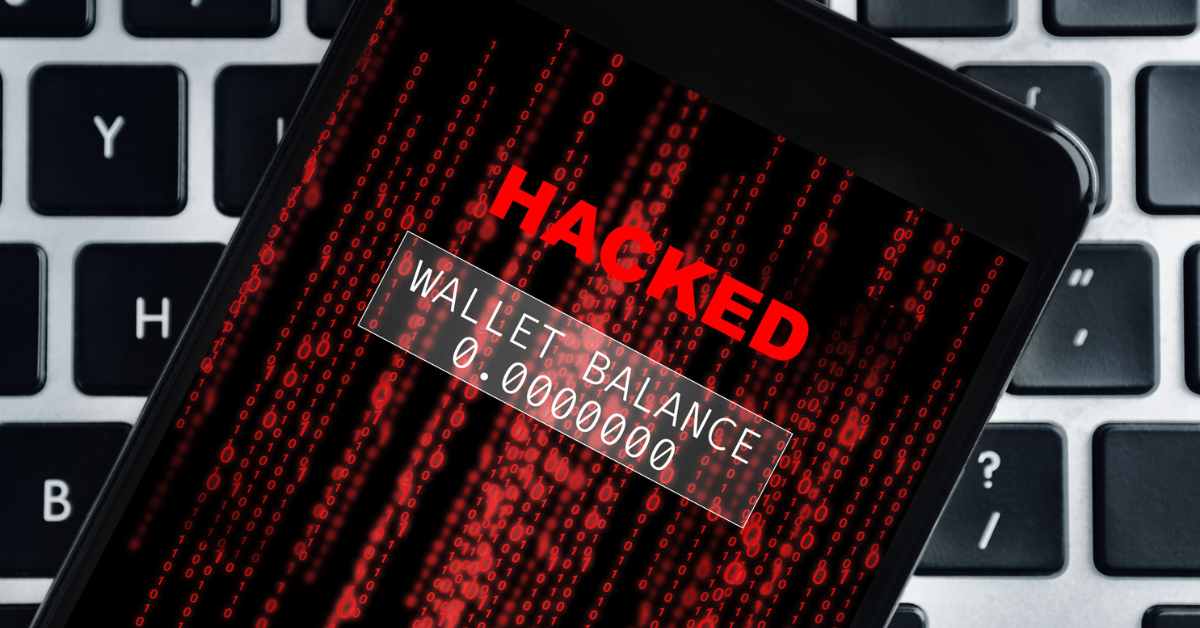
You get a letter in the mail from your hardware wallet company. It's printed on branded letterhead, references a real security update, and includes a QR code to "verify your account." It looks completely legitimate. But the moment you scan that code and follow the instructions, your digital assets are gone.
This isn’t a hypothetical scenario. It’s one of several new phishing tactics that moved beyond your inbox in early 2026. According to security researchers, phishing attacks drained over $311 million from cryptocurrency users in January alone—and the methods are getting harder to spot because they don’t look like traditional scams anymore.
Recognizing Scams Beyond Email
Here’s what’s changed. Scammers are no longer casting a wide net via email, hoping to catch thousands of small fish. They’re targeting fewer people with much larger accounts—a strategy researchers call “whale hunting.”
Social Media
Using social media and public records, they craft highly personalized attacks. AI tools make this cheap and fast: generating convincing emails, cloning voices from short audio clips, and building replica websites in minutes.
Copycat Wallet Addresses
Attackers are also poisoning your own transaction records. They create a wallet address that looks nearly identical to one you’ve used before and slip it into your history with a tiny transaction. The next time you copy what looks like a familiar address, you’re sending funds straight to the scammer. One person lost $50 million this way.
Browser Extensions
Then there are malicious browser extensions that disguise themselves as legitimate crypto tools. Once installed, they silently alter transaction details in real time, changing the destination address, the amount, or the permissions you’re approving. You think you’re making a small transfer; the extension rewrites it behind the scenes.
These tactics aren’t limited to cryptocurrency. The same playbook—AI-generated messages, fake QR codes in physical mail, browser extensions that hijack transactions—can be aimed at anyone handling financial transactions. If you are exploring or already using cryptocurrency, these techniques could target you next.
Steps to Protect Yourself from Scams and Crypto Theft
Here are practical habits that help reduce the risk of cyber scams and crypto theft.
Verify full addresses before sending anything.
Don’t copy wallet addresses or account numbers from transaction history. Confirm every character or use a saved address book.
Audit your browser extensions regularly.
Remove anything you don’t actively use. A single rogue extension can silently alter what you see on screen.
Use bookmarks for any site where you enter credentials.
Don’t rely on search engines or links from emails and messages to navigate to login pages.
Slow down when something feels urgent.
Deadlines, emergency alerts, and limited-time warnings are pressure tactics. Legitimate companies give you time to act through official channels.
Phishing used to mean a suspicious email. Now it’s a letter in your mailbox, a browser tool you trusted, or a transaction record you didn’t look at closely enough. The common thread: someone is counting on you to act before you think.
Read more articles by cybersecurity expert and Stewart CISO, Genady Vishnevetsky: