
Winter Home Maintenance Checklist: 16 Ways to Prepare Your Home
_[Update]: This blog was first published on November 16, 2022, and updated on October 5, 2023._
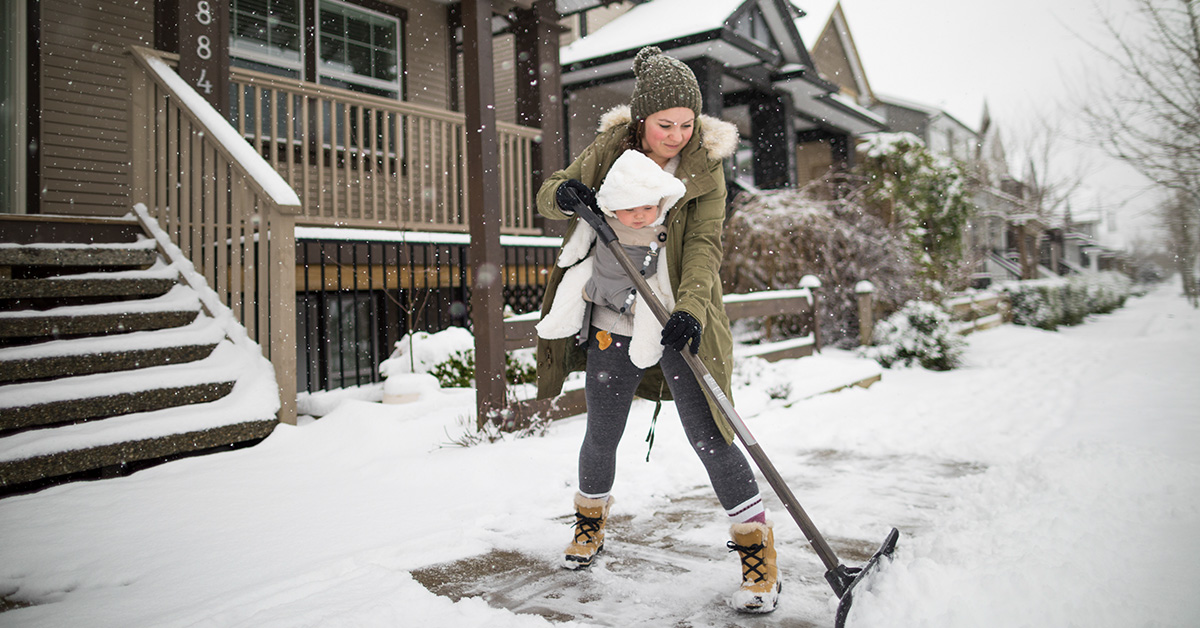
Preparing your home before colder weather arrives can help prevent avoidable damage, improve comfort and keep important home systems working throughout the season. A winter home maintenance checklist can also make a long list of seasonal projects feel much more manageable.
Start with the areas most exposed to changing temperatures, including your roof, gutters, foundation and outdoor plumbing. Then move indoors to check your heating system, insulation, safety detectors and emergency supplies.
Some maintenance tasks require specialized equipment or professional experience. If you are uncomfortable completing a task or notice signs of damage, contact a qualified professional.
What Should Be on My Winter Home Maintenance Checklist?
A winter home maintenance checklist should include indoor and outdoor tasks homeowners complete before or during cold weather. From inspecting the roof, cleaning gutters, protecting exposed plumbing, servicing the heating system, checking insulation and testing smoke and carbon monoxide detectors, your winter home maintenance checklist can help protect your home for the winter months.
Completing these tasks before the first freeze can help you identify small concerns before winter weather makes them more difficult to address.
When Should You Prepare Your Home for Winter?
In many areas, early to mid-fall is a good time to begin preparing your home for winter. Timing will vary depending on your climate, property and local weather conditions.
Use this general timeline to organize your work:
Early Fall
- Inspect the roof and exterior of the home.
- Trim trees and overhanging branches.
- Check the foundation, driveway and walkways.
- Schedule professional heating-system maintenance, if needed.
- Identify repairs that may require a contractor.
Late Fall
- Clean gutters after most leaves have fallen.
- Store warm-weather tools and equipment.
- Check insulation and weather stripping.
- Prepare fireplaces and chimneys for use.
- Review and replenish emergency supplies.
Before the First Freeze
- Disconnect and store garden hoses.
- Protect exterior faucets and exposed pipes.
- Follow the appropriate winterizing process for your sprinkler system.
- Confirm that your heating system is operating properly.
- Test smoke and carbon monoxide detectors.
Throughout Winter
- Watch for leaks, drafts and signs of moisture.
- Keep exterior vents and drainage areas clear.
- Check emergency supplies after storms or power outages.
- Address unusual sounds, odors or changes in heating-system performance.
Outdoor Winter Home Maintenance Checklist
1. Inspect the Roof
Look for damaged, loose or missing shingles. From the ground, check for visible damage around chimneys, vents and skylights.
Do not climb onto a wet, icy or snow-covered roof. If you notice damage or cannot inspect the roof safely, contact a qualified roofing professional.
2. Trim Trees and Overhanging Branches
Trim branches that hang over the roof, touch the home or sit near power lines. Wind, ice and snow can place additional weight on weak limbs.
Never attempt to trim branches near electrical lines yourself. Contact the appropriate utility company or a qualified tree-care professional.
Rake or compost fallen leaves as appropriate, and complete any climate-specific lawn or landscaping tasks before temperatures fall.
3. Prepare Plants for Cold Weather
Cut back plants that go dormant according to their care requirements. Move sensitive container plants indoors or to a protected location when appropriate.
When selecting new landscaping, choose plants suited to your local climate and anticipated winter conditions.
4. Protect Outdoor Faucets, Hoses and Sprinklers
Disconnect garden hoses, drain them and store them in a protected area. Follow your home’s plumbing instructions for shutting off and draining exterior faucets, if applicable. Insulated faucet covers may provide additional protection during freezing weather.
If your home has an underground sprinkler system, follow the manufacturer’s winterizing instructions or work with a qualified irrigation professional. Improperly using compressed air can damage the system or cause an injury.
5. Clean Gutters and Check Downspouts
Remove leaves and debris from gutters so rainwater and melting snow can drain away from the home. Check for loose sections, leaks and sagging areas.
Make sure downspouts direct water away from the foundation. If the gutters are difficult to reach or require work from a ladder, consider hiring a professional.
6. Inspect the Foundation and Exterior Openings
Walk around the exterior and look for visible cracks, gaps or damaged seals around the foundation, doors, windows, utility openings and vents.
Sealing appropriate openings can help reduce drafts, limit moisture intrusion and discourage pests. Do not seal required ventilation openings, appliance exhausts or drainage pathways.
7. Check Driveways, Steps and Walkways
Look for cracks, loose materials and uneven sections that could become more hazardous in rain, ice or snow. Complete practical repairs before colder weather makes the work more difficult.
If snow is common in your area, place driveway markers before the ground freezes. Stock an appropriate ice-melting product and store snow-removal tools where they are easy to reach.
8. Clean and Store Seasonal Equipment
Clean and store summer seasonal gardening tools, lawn equipment and outdoor furniture according to manufacturer instructions. Protect items from moisture and freezing temperatures when necessary.
Inspect snow shovels, snow blowers, roof rakes and other winter equipment before you need them. Follow all manufacturer instructions for fuel, batteries, maintenance and storage.
Indoor Winter Home Maintenance Checklist
9. Check the Heating System
Replace or clean your HVAC filter according to the system manufacturer’s instructions. Make sure return-air registers and supply vents are clean and unobstructed.
Consider scheduling a professional inspection or tuneup before the heating season begins. Contact a qualified HVAC professional if the system produces unusual sounds or odors, heats unevenly or repeatedly turns on and off.
10. Prepare the Fireplace and Chimney
Before using a fireplace, check that the damper opens and closes correctly and that the area is free from visible debris.
Chimney inspection and cleaning should be completed by a qualified professional when needed. Never use a fireplace if you suspect damage, excessive buildup or a blocked chimney.
11. Inspect the Water Heater
Check the area around the water heater for leaks, moisture, corrosion or rust. Keep combustible materials away from the unit and make sure the surrounding area remains accessible.
Maintenance requirements vary by water-heater type and manufacturer. Follow the owner’s manual or contact a qualified plumber before draining, flushing or adjusting the unit.
12. Assess the Home’s Insulation
Check accessible areas of the attic, basement or crawl space for missing, compressed, wet or damaged insulation.
Insulation and air sealing can help reduce unwanted heat loss, but installation requirements vary. Consult an insulation professional if you notice moisture, mold, pest activity or wiring that may require special handling.
13. Test Smoke and Carbon Monoxide Detectors
Use the test button to check smoke and carbon monoxide detectors. Replace batteries and devices according to manufacturer guidance and applicable local requirements.
Make sure everyone in the household recognizes the alarm sounds and understands the home’s emergency exit plan.
14. Adjust Ceiling Fans
Many ceiling fans include a switch that changes the blade direction. If the manufacturer recommends winter operation, running the fan at a low speed may help circulate warm air that has collected near the ceiling.
Check the instructions for your specific fan before changing its direction or settings.
15. Restock Emergency Supplies
Prepare for winter storms and possible power outages by checking your household emergency supplies. Depending on your needs, the kit may include:
- Flashlights
- Fresh batteries
- A first-aid kit
- Drinking water
- Nonperishable food
- Necessary medications
- Blankets and warm clothing
- A battery-powered or hand-crank radio
- Backup charging devices
- Supplies for infants, older adults and pets
Avoid relying on candles as a primary light source because of the fire risk. Check fire extinguishers and replace or service them according to manufacturer instructions.
16. Seal Drafts Around Doors and Windows
Inspect weather stripping and caulking around doors and windows. Replace damaged materials where appropriate to help reduce drafts.
Window coverings may also help improve comfort. Leave heating vents and required airflow pathways unobstructed.
Common Winter Home Maintenance Mistakes to Avoid
Even prepared homeowners can overlook small tasks that create larger problems later.
Watch for these common mistakes:
Waiting Until Freezing Weather Arrives
Roof repairs, gutter cleaning and exterior sealing are generally easier to address before temperatures fall.
Forgetting Outdoor Plumbing
Connected hoses and unprotected exterior faucets may leave plumbing more vulnerable during freezing weather.
Blocking Vents to Stop Drafts
Heating, appliance and exhaust vents serve important functions. Do not block a vent unless a qualified professional confirms that it is safe to do so.
Ignoring Small Leaks or Moisture
Water stains, damp insulation and minor leaks may indicate a larger issue. Investigate the source rather than covering the visible damage.
Attempting Unsafe DIY Repairs
Roof work, electrical repairs, gas-appliance maintenance, chimney cleaning and some plumbing tasks may require professional training. Know when to stop and call a qualified professional.
Give Your Home a Seasonal Checkup
A winter home maintenance checklist helps you organize seasonal upkeep and focus on the areas that may be most affected by colder weather. Begin with safety-related projects and weather-sensitive outdoor work, then complete indoor tasks as time allows.
Homes and climates vary, so adapt this checklist to your property, location and equipment. Staying aware of your home’s condition throughout the season can help you identify concerns early and protect the place you call home.
Explore More Homeowner Resources
Home maintenance is one part of protecting your investment. Whether you are caring for your current property, considering improvements or preparing to buy or sell, Stewart offers resources to help you make informed real estate decisions.
Explore Home Buyer and Seller Resources
Read More Homeownership Insights
Winter Home Improvements That Add Value to Your Home
Low Maintenance Home Features and Tools for Effortless Cleaning
Home Maintenance FAQs
What maintenance should be done before winter?
Before winter, homeowners should inspect the roof and exterior, clean gutters, disconnect hoses, protect outdoor plumbing, check the heating system, examine insulation and weather stripping, test safety detectors and replenish emergency supplies.
How do I winterize my home?
Start by identifying areas exposed to cold temperatures or heat loss. Protect exterior plumbing, address roof or gutter concerns, service your heating equipment, seal appropriate gaps and check the insulation. Follow manufacturer instructions and contact qualified professionals for tasks that require specialized training.
When should I begin winter home maintenance?
Begin planning in early fall so you have time to schedule contractors and complete exterior work. Finish freeze-sensitive tasks, such as disconnecting hoses and protecting outdoor faucets, before freezing temperatures arrive.
How can I protect outdoor faucets from freezing?
Disconnect hoses, drain them and store them indoors or in a protected area. Follow your home’s plumbing instructions for shutting off exterior water supplies when applicable. Use insulated faucet covers if they are appropriate for your home and climate.
Why should I clean my gutters before winter?
Leaves and debris can interfere with drainage. Cleaning gutters and checking downspouts helps water move away from the roof and foundation during rain or melting snow.
Should I have my heating system inspected every winter?
Maintenance needs depend on the type, age and condition of the system, along with manufacturer recommendations. A qualified HVAC professional can inspect the system and identify concerns before periods of heavy use.
Should ceiling fans be reversed during winter?
Some ceiling fans include a winter setting intended to circulate warm air near the ceiling. Check the manufacturer’s instructions for the correct blade direction and operating speed for your fan.
What should be in a winter emergency kit?
A household winter emergency kit may include water, nonperishable food, medications, flashlights, batteries, blankets, warm clothing, first-aid supplies, backup charging devices and household-specific supplies.
Which winter maintenance projects require a professional?
Consider professional help for roof repairs, chimney work, gas or electrical equipment, major plumbing concerns, HVAC servicing and any task requiring unsafe ladder use or specialized equipment.