
Top 6 Energy Conservation Tips for Your Home
Key Insights: How to Reduce Energy Costs at Home
- Optimize your thermostat settings and use smart devices to reduce unnecessary heating and cooling
- Maintain indoor comfort efficiently with ceiling fans, window coverings and airflow management
- Upgrade to energy-efficient appliances to lower long-term energy consumption
- Shift energy use to off-peak hours and eliminate wasted power from unused devices
- Stay on top of home maintenance like insulation, sealing air leaks and HVAC care
- Adjust seasonal habits, like cooking methods, to minimize added strain on your home’s energy systems
- Common FAQs to reduce utility costs and improve sustainable energy use
How to Save on Energy Costs
Let’s admit it — keeping your home comfortable can often lead to increased energy consumption. However, over-reliance on heating and cooling systems can drive up your electric bills. With the change of seasons, your energy expenses don't have to escalate.
These 6 essential energy cost saving tips will help you lower your utility bill throughout the year, reducing costs and supporting sustainable, eco-friendly living. Whether you're a homeowner, seller, or just looking to cut expenses, these energy saving tips can make a significant impact.
1. Optimize Your Thermostat Usage
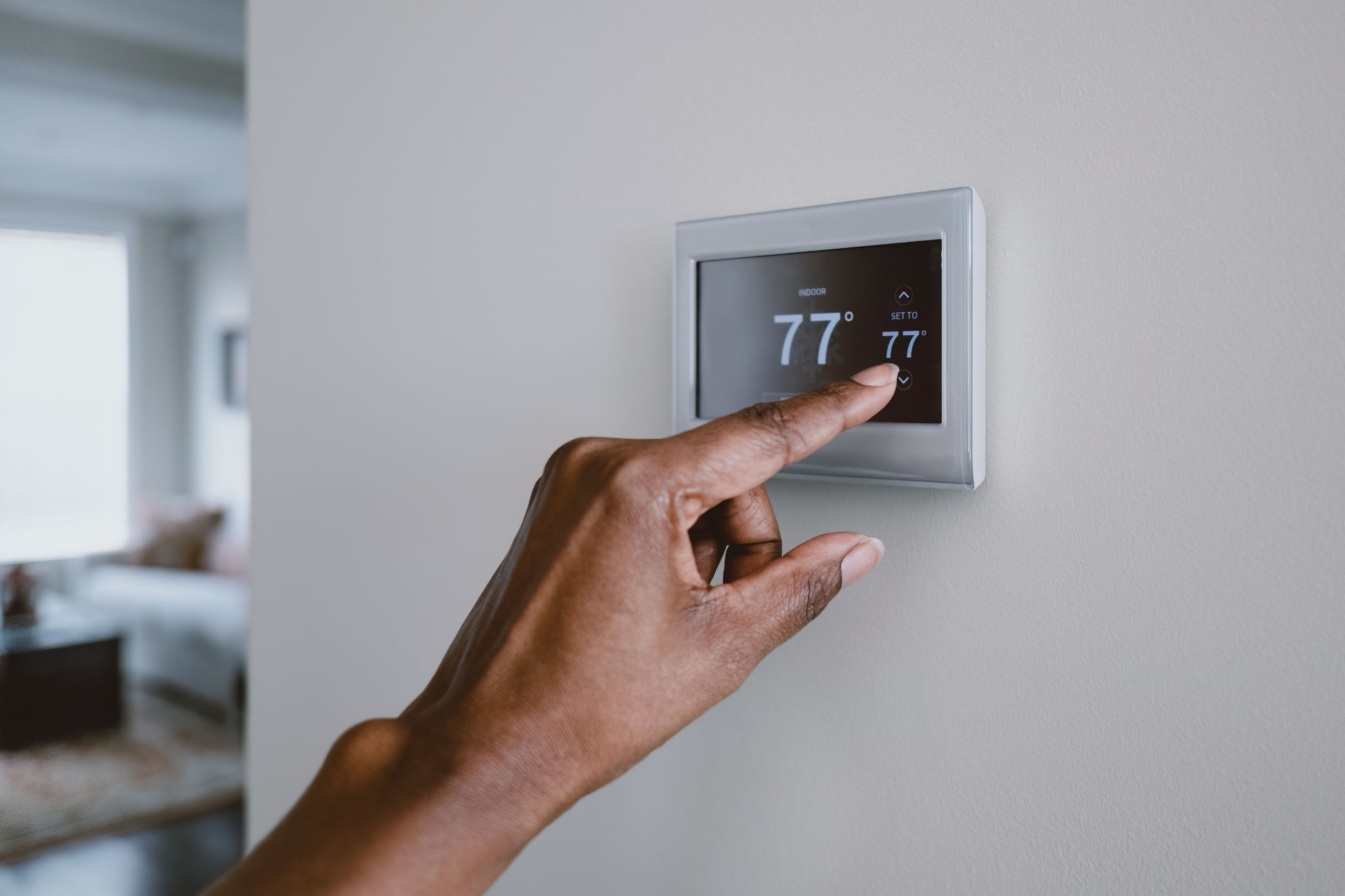
Your thermostat can be a powerful energy saving device. Your utilities provider likely recommends setting your thermostat to an optimal temperature to conserve energy and support the electric grid. Consider these strategies:
- Save around 10% on your energy bill by setting the thermostat temperature 7 - 10 degrees higher when you’re away from home for more than 8 hours
- Upgrade to a smart thermostat to schedule heating or cooling times remotely from your mobile device.
- Returning from a trip? Pre-set the house to warm or cool before your return without unnecessary energy use while you’re gone.
Home Seller Tip: Smart thermostats not only conserve energy but also enhance your home's appeal by showcasing sustainable energy efficiency.
2. Maintain a Comfortable Environment
An easy energy saving tips is ensuring your home’s heating and cooling systems operate efficiently. Be proactive in maintaining comfort in your home or business. Consider these approaches:
- Use ceiling fans to circulate air, may allow you to raise the thermostat about 4°F without losing comfort.
- Block cold with blackout curtains to reduce heating costs or close blinds during peak sunlight hours to prevent energy waste.
- Install smart switches for fans and lights to manage usage remotely, preventing power waste.
3. Transition to Energy Efficient Appliances
Household appliances are key contributors to energy consumption. Energy efficient appliances like ovens, washers, dryers and dishwashers can help reduce your energy bills significantly. Opting for ENERGY STAR® certified models ensures lower energy usage throughout the day. Consider these additional tips:
- Wash clothes in cold water and only run your dishwasher with full loads.
- Enhancing energy efficiency extends beyond just washers and dryers. From energy-saving refrigerators to pool pumps and office equipment, explore various products that can help your home or business minimize energy usage.
Home Buying Tip: Seek out homes with natural gas connections for main appliances. Natural gas typically costs less than electricity and provides a consistent way to maintain energy efficiency over time
4. Conserve Energy During Peak Hours
Energy consumption peaks at certain times. Check with your local energy providers for a comprehensive list of peak times. Using energy outside these hours, like early morning or late night, can significantly conserve energy. To help with this:
- Operate appliances like the washer and dryer in the evening hours and run your dishwasher overnight if possible.
- Unplug unused devices, as they consume energy even when turned off.
- Use energy-saving bulbs, such as LED lights, if you need lighting during the day.
5. Conduct Regular Maintenance Checks on Your House
Regular maintenance is a frequently overlooked energy conservation tip that offers quick returns.
- Make sure your home is properly insulated. If you notice any areas that need to be sealed to prevent hot air from coming into your home or business, consider weather-stripping to quickly seal areas around your doors or windows. Noticeable areas that aren't sealed well can show up on your inspection report, so make these changes before you list your home.
- Replace or clean your air filter on the recommended time schedule. Depending on your system, this could be every 3 or 6 months. Dust or debris can cause your HVAC system to not operate as effectively, causing your home or building to not cool properly.
- Consider having your heating and cooling units professionally inspected to confirm they operate efficiently.
6. Cook Efficiently to Save Energy
Cooking indoors can elevate home temperatures, causing heating and cooling systems to work harder. Consider these energy-saving cooking tips:
- Grill outdoors during the warmer months to keep your house temperature down and bake foods in the oven during the colder months to warm up your kitchen.
- Dine outside during comfortable weather months, making the most of sunlight and natural breeze.
- Add a shaded patio or outdoor kitchen for functional use and to enhance resale value.
By following these 6 tips to help you conserve energy this summer, you can potentially reduce utility bills, extend the life of your appliances and make your home more comfortable. These ways to save energy are not only practical but also smart investments in your property and lifestyle.
Frequently Asked Questions About Saving Energy at Home
What are the easiest ways to reduce energy consumption at home?
The easiest ways to reduce energy consumption start with small, consistent habits. Adjusting your thermostat when you’re away, turning off unused lights and unplugging electronics can quickly lower your energy usage. You can also improve efficiency by using ceiling fans, sealing air leaks and switching to LED lighting. These simple energy conservation tips require minimal investment but can have a noticeable impact on your monthly utility bill.
How much money can you save by improving energy efficiency?
Energy savings vary depending on your home and usage habits, but many homeowners can reduce energy costs by 10% or more with optimized thermostat settings alone. Upgrading to energy-efficient appliances and improving insulation can lead to even greater long-term savings. Over time, these changes not only lower utility bills but also reduce wear and tear on your HVAC system.
What temperature should I set my thermostat to save energy?
To save energy, many experts recommend setting your thermostat about 7–10 degrees higher in the summer or lower in the winter when you’re away from home for several hours. A programmable or smart thermostat can automate these adjustments, helping you maintain comfort while reducing unnecessary energy use throughout the day.
Do smart thermostats really help reduce energy costs?
Yes, smart thermostats are one of the most effective tools for improving energy efficiency. They allow you to automate temperature changes, monitor usage patterns and control your system remotely. By reducing unnecessary heating and cooling, smart thermostats can help lower energy bills while keeping your home comfortable.
What appliances use the most energy in a home?
Heating and cooling systems typically use the most energy in a home, followed by water heaters, washers and dryers and refrigerators. Choosing ENERGY STAR® certified appliances and using them efficiently—such as running full loads or washing with cold water—can significantly reduce energy consumption
Is it better to run appliances during off-peak hours?
Running appliances during off-peak hours can help reduce energy costs, especially if your utility provider uses time-of-use pricing. Using washers, dryers and dishwashers in the early morning or late evening can lower demand on the energy grid and potentially decrease your overall electricity bill.
How can insulation improve energy efficiency?
Proper insulation helps maintain indoor temperatures by preventing air from escaping or entering your home. Sealing gaps around doors and windows and adding insulation to attics or walls can reduce the strain on your HVAC system. This leads to more consistent comfort and lower heating and cooling costs year-round.
Are energy-efficient upgrades worth it when selling a home?
Energy-efficient upgrades can increase your home’s appeal to buyers who prioritize lower utility costs and sustainability. Features like smart thermostats, upgraded insulation and energy-efficient appliances can enhance perceived value and may help your home stand out in a competitive market.
What is “phantom energy” and how can I prevent it?
Phantom energy, also known as standby power, is the electricity used by devices even when they are turned off. Common sources include chargers, TVs and small appliances left plugged in. You can reduce this waste by unplugging devices when not in use or using power strips to easily cut off electricity to multiple items at once.
What are the best long-term energy-saving improvements for a home?
Long-term energy-saving improvements include upgrading to energy-efficient HVAC systems, installing better insulation, replacing old windows and investing in high-efficiency appliances. While these upgrades may require a higher upfront cost, they provide ongoing savings and improve overall home performance.
Learn more ways you can conserve this summer and explore our other articles for additional tips and insights
Smart Irrigation Month: Tips for Conserving Water in Your Home
Going Green? Things to Consider for your Eco-Friendly Home
Mid-Summer Home Maintenance Checklist